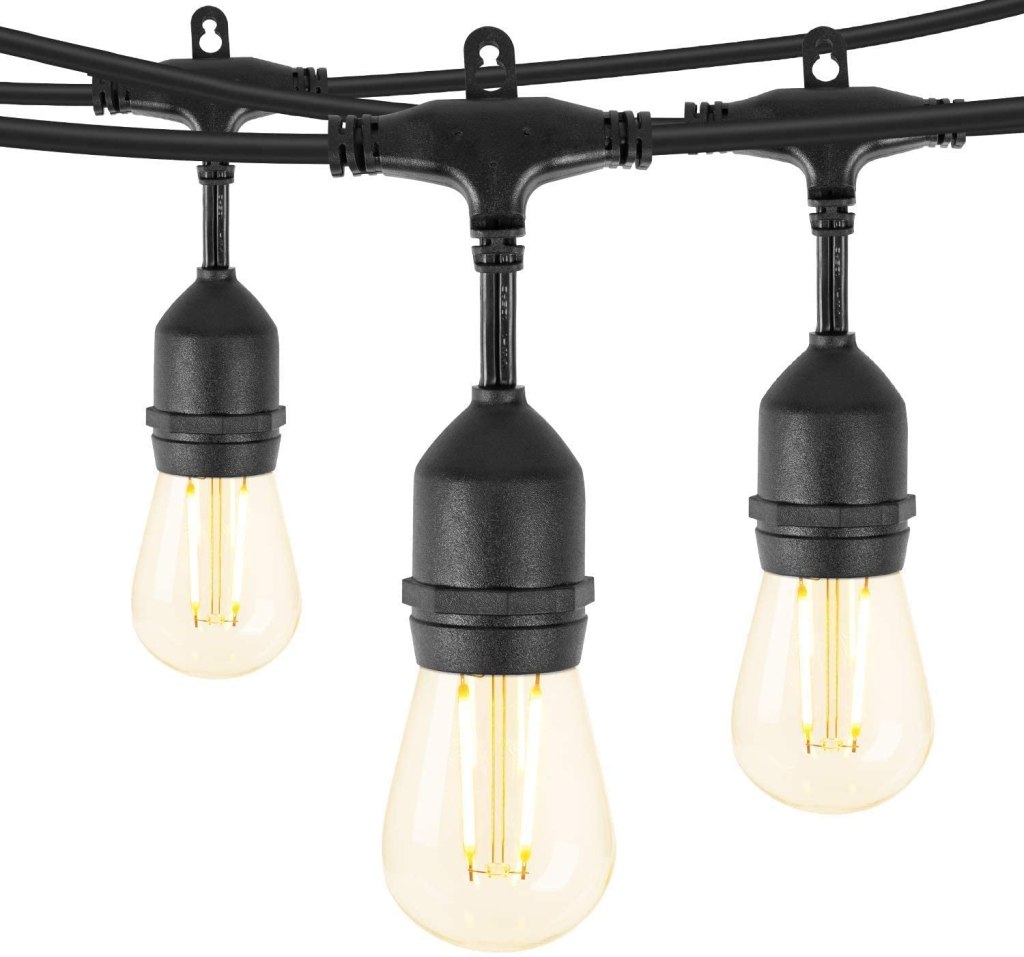
LED outdoor string light wire types,Choose what’s right for your outdoor oasis
When it comes to transforming your backyard into a magical haven, outdoor string lights are a game-changer. But before you get swept away by the twinkling charm, it’s crucial to understand the unsung hero: the wire. The type of wire used in your string lights significantly impacts their durability, safety, and suitability for various outdoor conditions.
The Core of Your Glow: Wire Materials Explained
Most outdoor string lights utilize either copper or aluminum wiring. While both conduct electricity, their performance and longevity in the elements differ.
Copper Wire: This is the gold standard for quality and reliability. Copper boasts excellent conductivity, meaning it efficiently transmits power to your bulbs. More importantly, it’s highly resistant to corrosion and rust, making it ideal for long-term outdoor use, even in humid or coastal environments. Copper wires are generally more flexible and easier to work with, allowing for more intricate installations. However, they can be slightly more expensive.
Aluminum Wire: A more budget-friendly option, aluminum wire is lighter than copper and also conducts electricity. While it’s a good choice for temporary or less demanding installations, it’s more susceptible to oxidation and corrosion over time, especially in harsh weather. If you opt for aluminum, ensure it’s coated with a protective layer to extend its lifespan.
Beyond the Core: Insulation Matters
CCA Wire:Copper-clad aluminum wire, abbreviated as CCA, is a bimetallic wire composed of an aluminum core and a tightly bonded copper layer. This structure combines the characteristics of both metals in a single conductor, merging the excellent conductivity of copper with the lightweight properties of aluminum. It overcomes the drawbacks of aluminum wire, resulting in a copper-clad aluminum wire with good conductivity, low density, flexibility, corrosion resistance, ease of welding, and low cost. This has led to its development as a new type of conductive metal material.
The material of the wire’s insulation is just as critical. For outdoor use, look for:
PVC (Polyvinyl Chloride): A common and cost-effective choice. Good quality PVC insulation offers decent protection against moisture, UV rays, and general wear and tear. However, cheaper PVC can become brittle in extreme temperatures.
Rubber: Premium rubber insulation provides superior flexibility and resilience, making it excellent for areas that experience frequent temperature fluctuations or where the lights might be moved often. It offers excellent protection against water and abrasion.
Silicone: This high-performance material is a top-tier choice for its exceptional resistance to extreme temperatures (both hot and cold), UV damage, and moisture. Silicone-insulated lights are incredibly durable and long-lasting, though they come at a higher price point.
Choosing Wisely for Longevity and Safety
When selecting your outdoor string lights, don’t underestimate the importance of the wire. For a permanent, beautiful installation that will withstand the elements for years to come, investing in copper wire with robust rubber or silicone insulation is your best bet. If you’re looking for a more temporary or budget-conscious solution, ensure the aluminum wire is well-protected and consider the climate you’re in. By understanding the wires, you’re one step closer to a perfectly illuminated outdoor space!
The string lights produced by Zhongshan Yihong Lighting are all suitable for the mid-range market, so the materials we use for our outdoor waterproof string lights are also of mid-to-high quality. The wires mainly use copper-clad aluminum, and the wire insulation layer uses PVC material. Rubber materials and pure copper wires would be significantly more expensive than what we currently use, although we do have customers who request custom production with these materials. The power capacity of string lights is limited by the materials used; the number of bulbs in series cannot exceed the maximum power that the wire can handle.
Regardless of the material chosen, the best option is always what suits the customer’s market. Outdoor waterproof string lights are subjected to wind and sun, so good waterproof performance and overall quality are crucial for safety.